


Packing Fragile Items: Materials and Methods for Storage Safety
Packing Fragile Items: Essential Materials and Methods for Safe Storage
Packing fragile items requires careful consideration of materials and methods to ensure their safety during storage and transport. This guide will provide you with essential insights into the best practices for packing delicate belongings, focusing on the materials needed, effective packing methods, and important storage considerations. Many individuals face challenges when trying to protect their fragile items, leading to potential damage and loss. By understanding the right techniques and materials, you can significantly reduce the risk of breakage. This article will cover essential materials, packing methods, storage considerations, and tips for preserving fragile items, ensuring you have a comprehensive understanding of how to pack fragile items safely.
Essential Materials:
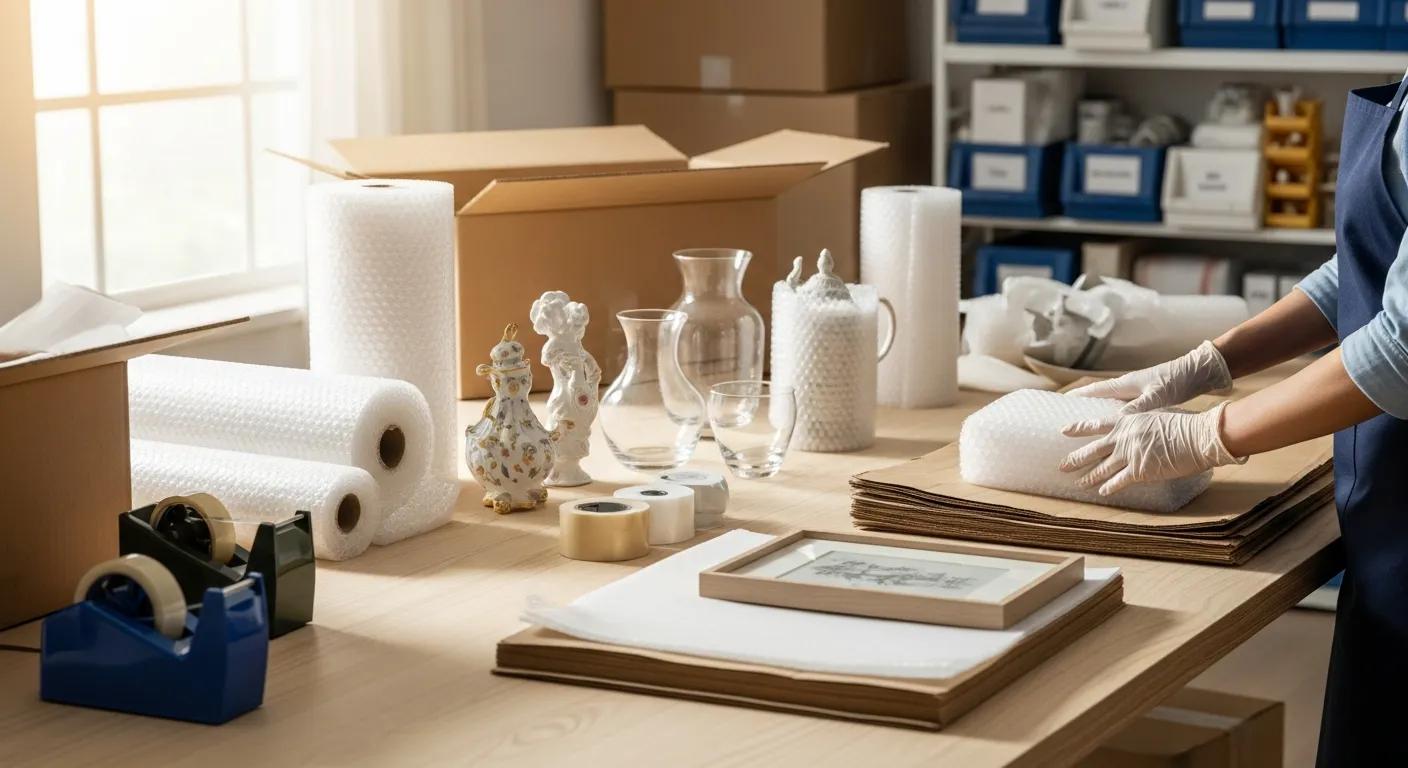
When packing fragile items, selecting the right materials is crucial for ensuring their protection. The following materials are essential for effective packing:
- Sturdy Boxes: Use strong, durable boxes that can withstand pressure and prevent crushing during transport.
- Bubble Wrap: This cushioning material provides excellent protection against shocks and impacts, making it ideal for wrapping delicate items.
- Packing Paper: Soft packing paper can be used to fill empty spaces in boxes and wrap items to prevent scratches and breakage.
These materials work together to create a protective barrier around your fragile belongings, minimizing the risk of damage during storage or transport.
Packing Methods:
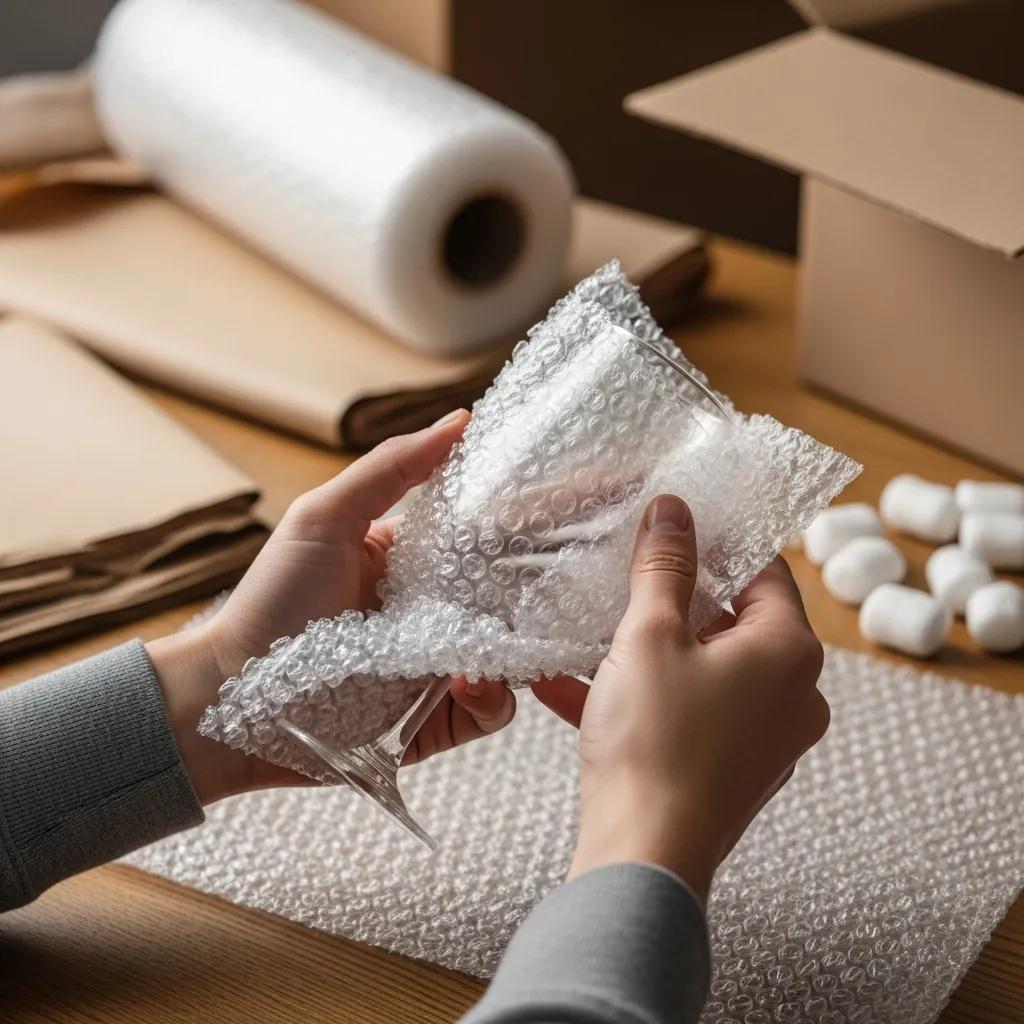
Effective packing methods are vital for ensuring the safety of fragile items. Here are some key techniques to consider:
- Wrap Each Item Individually: Each fragile item should be wrapped separately in bubble wrap or packing paper to provide individual protection.
- Cushioning Techniques: Use packing peanuts or crumpled paper to fill voids in boxes, preventing items from shifting during transit.
- Disassemble Large Items: If possible, disassemble larger items like furniture to make them easier to pack and reduce the risk of damage.
Implementing these packing methods will help ensure that your fragile items remain safe and secure throughout the moving or storage process.
Storage Considerations:
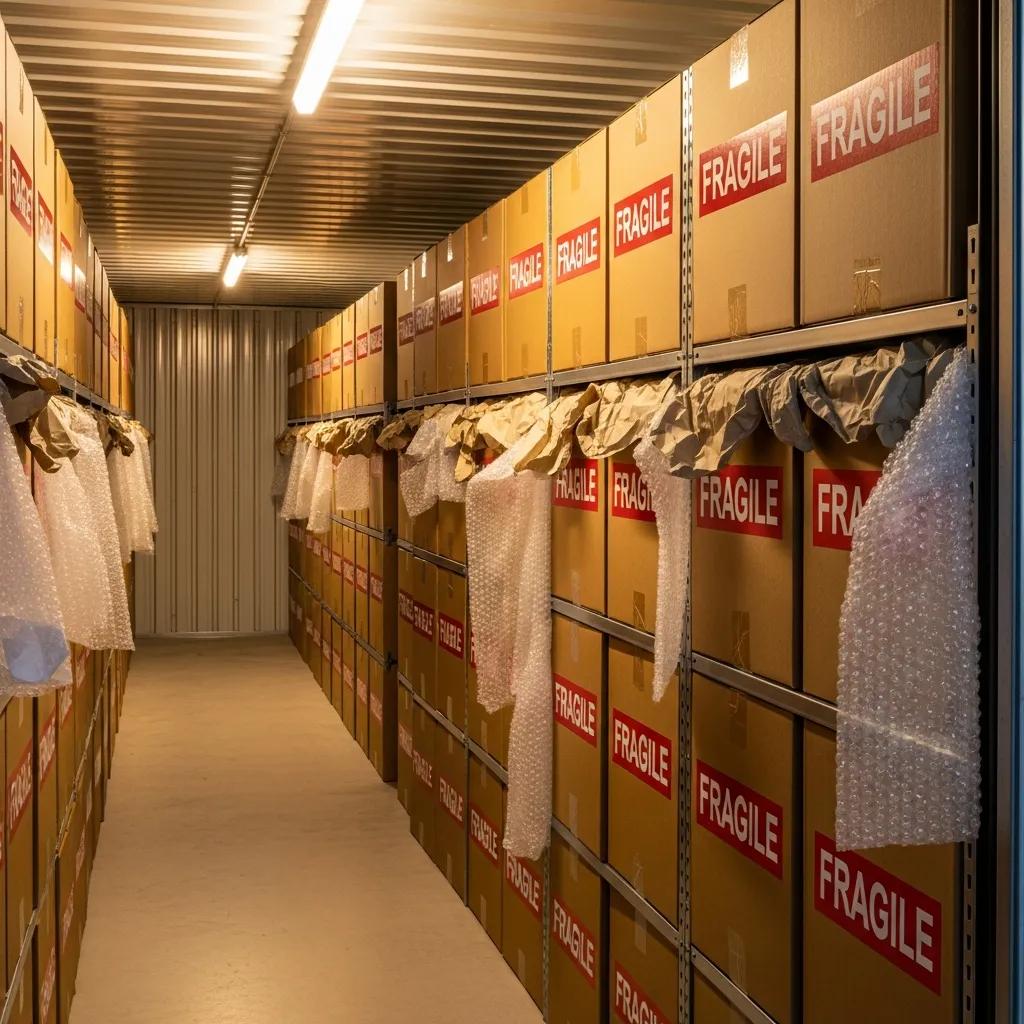
When it comes to storing fragile items, several factors must be taken into account to maintain their integrity. Here are some important considerations:
- Climate-Controlled Units: Storing fragile items in climate-controlled environments helps protect them from extreme temperatures and humidity, which can cause damage.
- Organizing for Access: Arrange items in a way that allows for easy access without the need to move other boxes, reducing the risk of accidental damage.
For those looking for secure storage solutions, Marbella Storage offers specialized services in Marbella and Costa del Sol, ensuring that your fragile items are kept safe in optimal conditions.
What Are Eco-Friendly Alternatives to Traditional Packing Materials?
Eco-friendly alternatives to traditional packing materials include biodegradable packing peanuts, recycled paper, and reusable fabric wraps. These options not only provide adequate protection for fragile items but also reduce environmental impact. By choosing sustainable materials, you can ensure that your packing practices are both effective and environmentally responsible.
How to Wrap Glassware and Ceramics for Storage Safety
When wrapping glassware and ceramics, start by placing a layer of packing paper on a flat surface. Wrap each item individually, ensuring that the paper covers all surfaces. Use bubble wrap for additional cushioning, securing it with packing tape. Finally, place the wrapped items in a sturdy box, filling any gaps with packing peanuts or crumpled paper to prevent movement.
What Are Step-by-Step Techniques for Cushioning and Securing Items?
To cushion and secure items effectively, follow these steps:
- Select Appropriate Materials: Gather bubble wrap, packing paper, and sturdy boxes.
- Wrap Items Individually: Wrap each item in bubble wrap, securing it with tape.
- Fill Boxes with Cushioning: Place a layer of packing peanuts at the bottom of the box, then add the wrapped items, filling any gaps with more peanuts or crumpled paper.
- Seal and Label: Close the box securely with packing tape and label it as “Fragile.”
These techniques will help ensure that your fragile items are well-cushioned and secure during storage or transport.
How to Wrap Furniture Properly for Storage Protection?
Properly wrapping furniture is essential for protecting it from scratches and damage during storage. Here are some key steps to follow:
- Disassemble When Possible: Take apart larger pieces to make them easier to wrap and store.
- Use Moving Blankets: Cover furniture with moving blankets to protect surfaces from scratches and dents.
- Secure with Stretch Wrap: Use stretch wrap to hold blankets in place and provide an additional layer of protection.
By following these steps, you can ensure that your furniture remains in excellent condition while in storage.
Which Techniques Prevent Damage During Storage and Transport?
To prevent damage during storage and transport, consider these techniques:
- Use Proper Packing Materials: Always use high-quality packing materials that provide adequate protection.
- Secure Items in Place: Ensure that items are tightly packed and secured within boxes to prevent shifting.
- Avoid Stacking Heavy Items on Top: When storing boxes, avoid placing heavy items on top of fragile ones to prevent crushing.
Implementing these techniques will help maintain the integrity of your fragile items throughout the moving or storage process.
What Are Safe Storage Tips to Preserve Fragile Items?
To preserve fragile items during storage, follow these safe storage tips:
- Choose the Right Storage Environment: Opt for climate-controlled storage to protect against temperature and humidity fluctuations.
- Regularly Check Stored Items: Periodically inspect stored items to ensure they remain in good condition and address any issues promptly.
- Use Proper Shelving: Store fragile items on sturdy shelves that can support their weight without risk of collapse.
By adhering to these tips, you can ensure that your fragile items remain safe and well-preserved during their time in storage.
Related News

Trends and Market Growth of...
Choosing Storage Unit Sizes: What...