
DIY Packing Hacks for Safer Storage and Protection
DIY Packing Hacks for Safer Storage and Protection: Essential Tips for Secure and Cost-Effective Storage
Packing for storage can often feel overwhelming, especially when it comes to ensuring the safety of your belongings. This article will provide you with essential DIY packing hacks that not only enhance the protection of your items but also save you money in the process. By implementing these strategies, you can ensure that your belongings remain secure and well-organized during their time in storage. We will explore the best packing materials, techniques for fragile items, space-saving methods, and cost-effective packing solutions. Additionally, we will discuss how to prepare and organize your storage unit effectively, particularly if you are utilizing services from Marbella Storage, a provider specializing in secure storage solutions in Marbella and Costa del Sol.
What Are the Best Packing Materials for Safe Storage?
Choosing the right packing materials is crucial for ensuring the safety of your items during storage. The materials you select can significantly impact the protection of your belongings, especially fragile items. Sturdy boxes, cushioning materials, and eco-friendly options are all essential considerations when packing for storage.
Using a combination of these materials can help create a secure environment for your items. For those looking for flexible storage solutions, Marbella Storage offers a variety of options tailored to meet your needs.
Which Packing Materials Protect Fragile Items Effectively?
When it comes to protecting fragile items, specific materials stand out for their effectiveness. Bubble wrap and packing paper are two of the most reliable options. Bubble wrap provides excellent cushioning, while packing paper can be used to wrap delicate items securely.
- Bubble Wrap: Ideal for wrapping fragile items like glassware and ceramics, bubble wrap absorbs shock and prevents breakage.
- Sturdy Boxes: Using high-quality boxes ensures that your items are not crushed during transport or stacking.
- Cushioning Techniques: Layering materials such as towels or blankets around fragile items can provide additional protection.
By utilizing these materials and techniques, you can significantly reduce the risk of damage to your fragile belongings.
What Eco-Friendly Alternatives Can You Use for Packing?
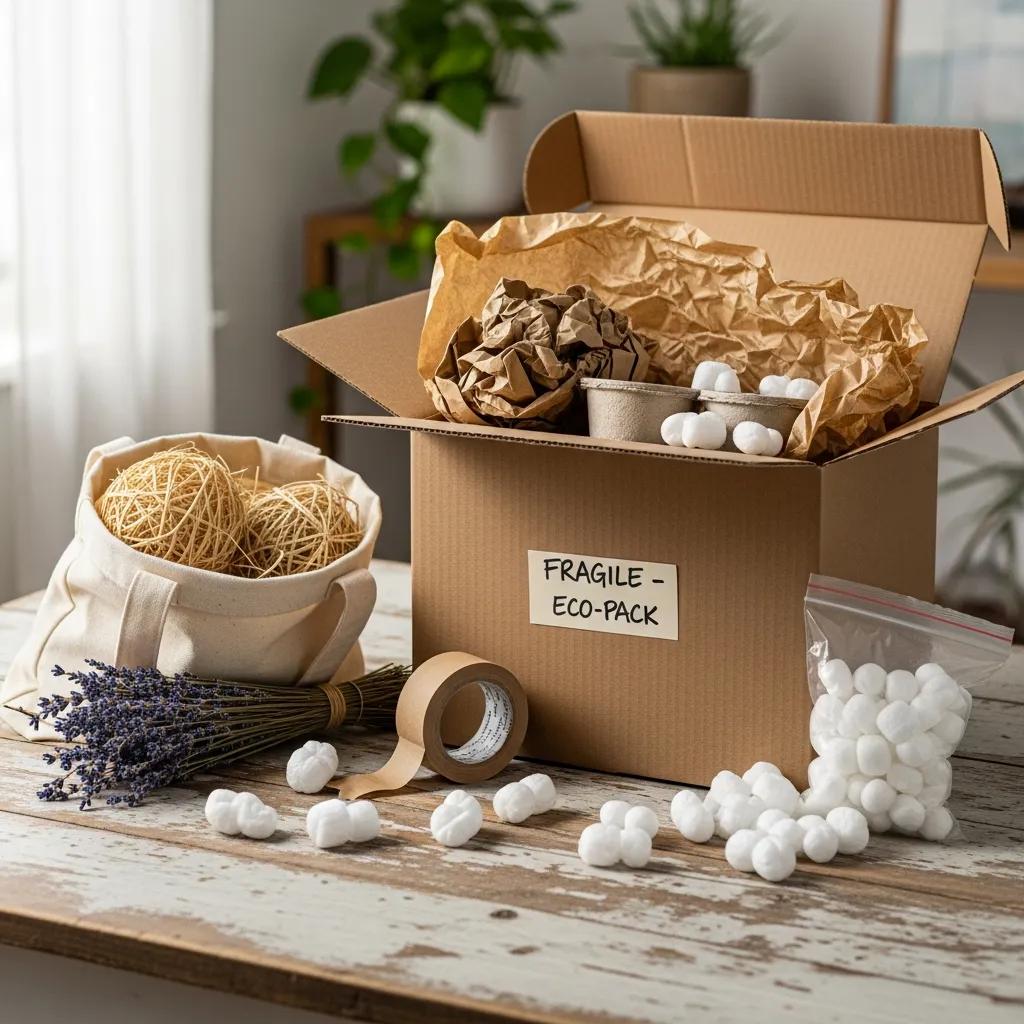
Sustainability is becoming increasingly important in packing and storage. There are several eco-friendly alternatives that can be used without compromising on safety.
- Recycled Materials: Using boxes made from recycled cardboard can help reduce waste while providing adequate protection.
- Natural Packing Options: Materials like biodegradable packing peanuts or shredded paper can serve as effective cushioning.
- Cost-Effectiveness: Many eco-friendly options are not only sustainable but also budget-friendly, making them an excellent choice for cost-conscious individuals.
Incorporating these eco-friendly materials into your packing strategy can help you protect your items while also being kind to the environment.
How Do You Pack Fragile Items to Prevent Damage?
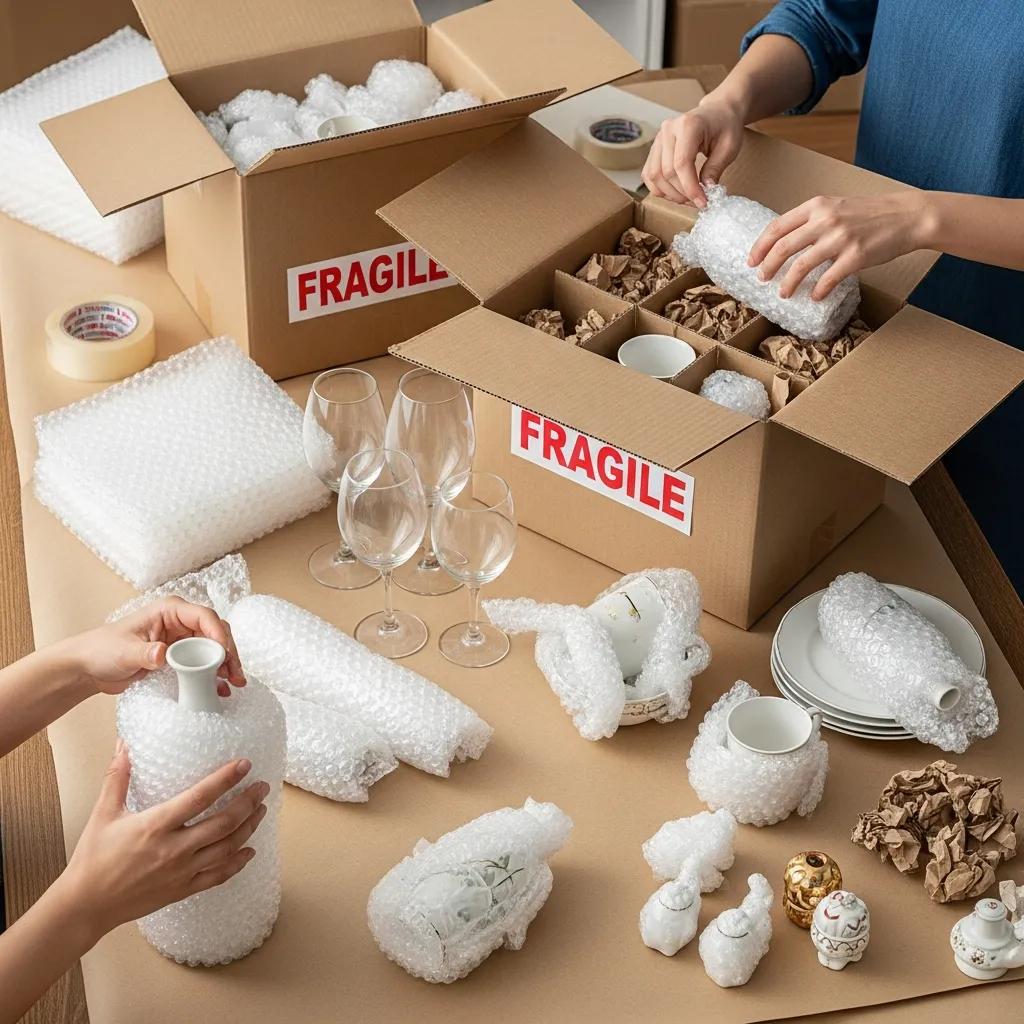
Packing fragile items requires careful attention to detail to ensure their safety during storage. By following specific guidelines, you can minimize the risk of damage.
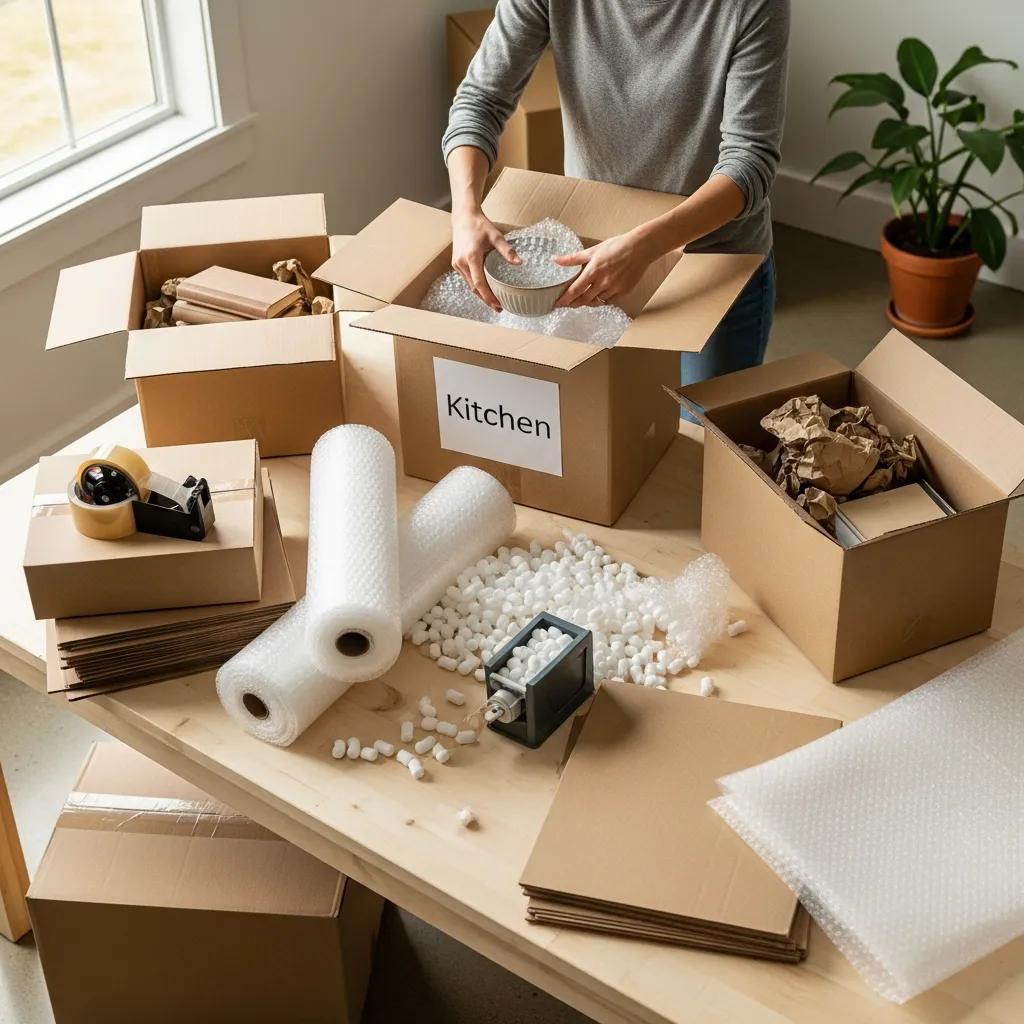
- Gathering Materials: Before you start packing, gather all necessary materials, including boxes, bubble wrap, and packing tape.
- Wrapping Techniques: Wrap each fragile item individually in bubble wrap or packing paper, securing it with tape to prevent movement.
- Labeling and Stacking: Clearly label boxes containing fragile items and stack them carefully to avoid crushing.
These steps will help ensure that your fragile items remain intact during their time in storage.
What Step-by-Step Methods Ensure Fragile Item Safety?
To effectively pack fragile items, follow these step-by-step methods:
- Prepare Your Workspace: Clear a large area to work in, ensuring you have enough space to organize your materials.
- Wrap Each Item: Individually wrap each fragile item in bubble wrap or packing paper, securing it with tape.
- Use Dividers: If packing multiple fragile items in one box, use dividers made from cardboard to keep them separated.
- Seal the Box: Once all items are packed, seal the box securely with packing tape and label it as “Fragile.”
By adhering to these methods, you can significantly enhance the safety of your fragile items during storage.
How Can Space-Saving Techniques Improve Storage Efficiency?
Maximizing space in your storage unit is essential for efficient organization. Implementing space-saving techniques can help you make the most of your available area.
The importance of efficient storage solutions, especially in the context of smaller living spaces and cost-effectiveness, is further emphasized by recent research.
- Vertical Stacking: Utilize vertical space by stacking boxes and items on shelves or using tall storage units.
- Under-Bed Storage: Consider using under-bed storage containers for items that are not frequently accessed.
- Multi-Functional Furniture: Use furniture that doubles as storage, such as ottomans or benches with hidden compartments.
These techniques not only save space but also make it easier to access your belongings when needed.
What Cost-Effective Packing Methods Save Money Without Sacrificing Safety?
Packing doesn’t have to be expensive. There are several cost-effective methods that can help you save money while ensuring the safety of your items.
- Using Recycled Materials: Collect boxes from local stores or use old newspapers as packing material to cut costs.
- DIY Packing Solutions: Create your own packing materials using household items, such as towels or blankets for cushioning.
- Maximizing Space Efficiency: By packing items tightly and efficiently, you can reduce the number of boxes needed, saving on costs.
These methods allow you to pack effectively without breaking the bank.
How Can DIY Packing Hacks Reduce Packing Material Expenses?
DIY packing hacks can significantly reduce your expenses while still providing adequate protection for your items. Here are some effective strategies:
- Repurposing Household Items: Use old towels, blankets, or clothing as padding for fragile items.
- Creating Custom Boxes: If you have large items, consider making custom boxes from cardboard to fit them perfectly.
- Using Plastic Bins: Invest in a few durable plastic bins that can be reused for various storage needs over time.
By employing these DIY hacks, you can save money and ensure your items are well-protected.
What Are Practical Tips for Reusing Packing Supplies?
Reusing packing supplies is an excellent way to save money and reduce waste. Here are some practical tips:
- Reusing Sturdy Boxes: Keep boxes from previous purchases for future moves or storage needs.
- Using Bubble Wrap and Packing Paper: Store bubble wrap and packing paper for future use instead of discarding them.
- Repurposing Old Towels: Old towels can be used as padding for fragile items or as packing material.
These tips not only help you save money but also promote sustainability in your packing efforts.
How Should You Prepare and Organize Your Storage Unit in Marbella?
Preparing and organizing your storage unit effectively can make a significant difference in accessibility and efficiency. Here are some guidelines to follow:
- Cleaning and Preparing Items: Ensure all items are clean and dry before packing them away to prevent mold and damage.
- Creating an Inventory: Keep a detailed inventory of all items stored, which can help you locate them easily later.
- Organizing by Frequency of Use: Place frequently used items near the front of the unit for easy access.
By following these guidelines, you can create a well-organized storage unit that meets your needs.
What Are the Best Practices for Labeling and Organizing Boxes?
Labeling and organizing boxes is crucial for maintaining an efficient storage system. Here are some best practices:
- Clear Labeling Techniques: Use large, legible labels on each box to indicate its contents.
- Using Color Codes: Assign different colors to labels based on categories (e.g., kitchen, bedroom) for quick identification.
- Maintaining an Inventory List: Keep a master list of all items stored in your unit, noting their locations for easy retrieval.
These practices will help you stay organized and make accessing your items much easier.
Related News
Flexible Self Storage Marbella for...
Marbella Storage – Short and...